
The Hampshire County Most Wanted Program
A most wanted program is really just an agency asking the public for help on a handful of hand-picked cases. The agency decides which entries to publicize, drafts a short write-up for each, and points readers toward its reporting channel. Nothing in that process creates a warrant, and nothing on the page cancels one. In Hampshire County the closest fit to that role is the Hampshire County Sheriff's Office, which runs the jail and house of correction, serves civil documents, and answers records requests. What the office does not publish is a most wanted roster, a fugitive gallery, or any list of names tied to outstanding warrants. A program page answers the agency's question about a case it wants tips on. A court record answers your question about a warrant in your own name, and those are two different things.
No Hampshire County Roster Was Located
The sheriff's office home page, contact page, contact directory, Civil Process Division page, and site search all come up empty on fugitive listings, and so do the five largest municipal police department sites in Hampshire County. None publishes a most wanted page or a searchable roster of people with outstanding warrants. That silence is an answer, not a gap to fill. A roster hosted anywhere other than an official agency page has no identifiable owner, no update schedule, and no rule for pulling a name down. One more caution applies to the sheriff's own search box. It scans web pages about the office and its programs. It returns nothing about people, so a blank result there means very little.
How Hampshire County Cases Reach a Task Force
The one official program page covering fugitive appeals here is federal. The U.S. Marshals Service District of Massachusetts runs the Massachusetts Fugitive Task Force from Boston, and the federal district it works includes Hampshire County. Its published partner list names the Massachusetts State Police and departments in Springfield, Holyoke, Worcester, West Springfield, Brockton, Cambridge, and Plymouth, plus the Essex County Sheriff.
| Official Channel | Contact | What It Is For |
|---|---|---|
| Massachusetts Fugitive Task Force | (617) 742-5533 | Program and task force questions |
| U.S. Marshals 24-hour tip line | 1-888-869-4589 | Reporting information about a fugitive |
| U.S. District Court, Springfield | (413) 785-6800 | Federal filing and records access questions |
The page lists no Hampshire reward schedule. Treat any claimed reward as unconfirmed until an official source says otherwise.
How the Lists Work
A name lands on a most wanted page because an agency decides the case deserves public attention. There is no formula a reader can apply. No court rule forces an agency to publish anything, either. A name comes off when the person is arrested, surrenders, or the court recalls or discharges the warrant. Until someone updates the page, an old entry just sits there looking current. Readers misread absence most often. Most warrants are never publicized, so a person missing from a page may still have open process sitting in a Hampshire County court file.
Note: a published page is a snapshot from the day it was last updated, and it can lag an arrest, a surrender, or a recall.
What the Hampshire County Sheriff Publishes
The Hampshire County sheriff publishes what it does, not who it seeks. Its pages cover the jail and house of correction, facility rules, civil process, and a contact directory for public information.
Hampshire County Sheriff's Office, Records Access
Thomas Mitchell, Public Information and Records Access Officer
(413) 582-7721
Civil process is its own world. The Civil Process Division at 11 Village Hill Road, Unit 103A in Northampton serves court-issued documents, and its line is (413) 585-0618. A civil service record is not a criminal warrant, and neither office can recall what a court issued.
A Missing Warrant Name Proves Nothing
Checking a most wanted page is not checking a warrant. Three gaps separate the two. Most warrants are never publicized at all. Some records are sealed, impounded, or juvenile. A page only reflects its last edit, too. For a real answer about your own situation, go to the court that issued the process. In adult Hampshire County cases that usually means the clerk at Northampton District Court or Eastern Hampshire District Court, and for an indicted case, Hampshire Superior Court.
Note: the state's warrant database is closed to public search, so no county or city page can confirm a live status for a reader.
How to Report a Tip Safely
Have information about a person named on an official Hampshire County page? Send it through the agency's own reporting channel and then step back. A tip is a message, not an invitation to get involved.
- Use the tip channel printed on the official program page, and use the federal line for a federal case.
- Give the location, the time, what you saw, and the page or case it relates to.
- Keep the reference number the intake staff give you, since follow-up gets matched to it.
- Do not approach, follow, confront, or try to detain anyone, and do not post your suspicions publicly.
- If someone is in immediate danger, call 911 rather than a tip line.
Key Point: tips exist for law enforcement to act on. Stay anonymous if you prefer, and never put yourself between a wanted person and an officer.
Federal Dockets for Hampshire County Cases
Federal process runs on a separate track. The federal court serving Hampshire County sits in Springfield, and its dockets sit outside MassCourts.
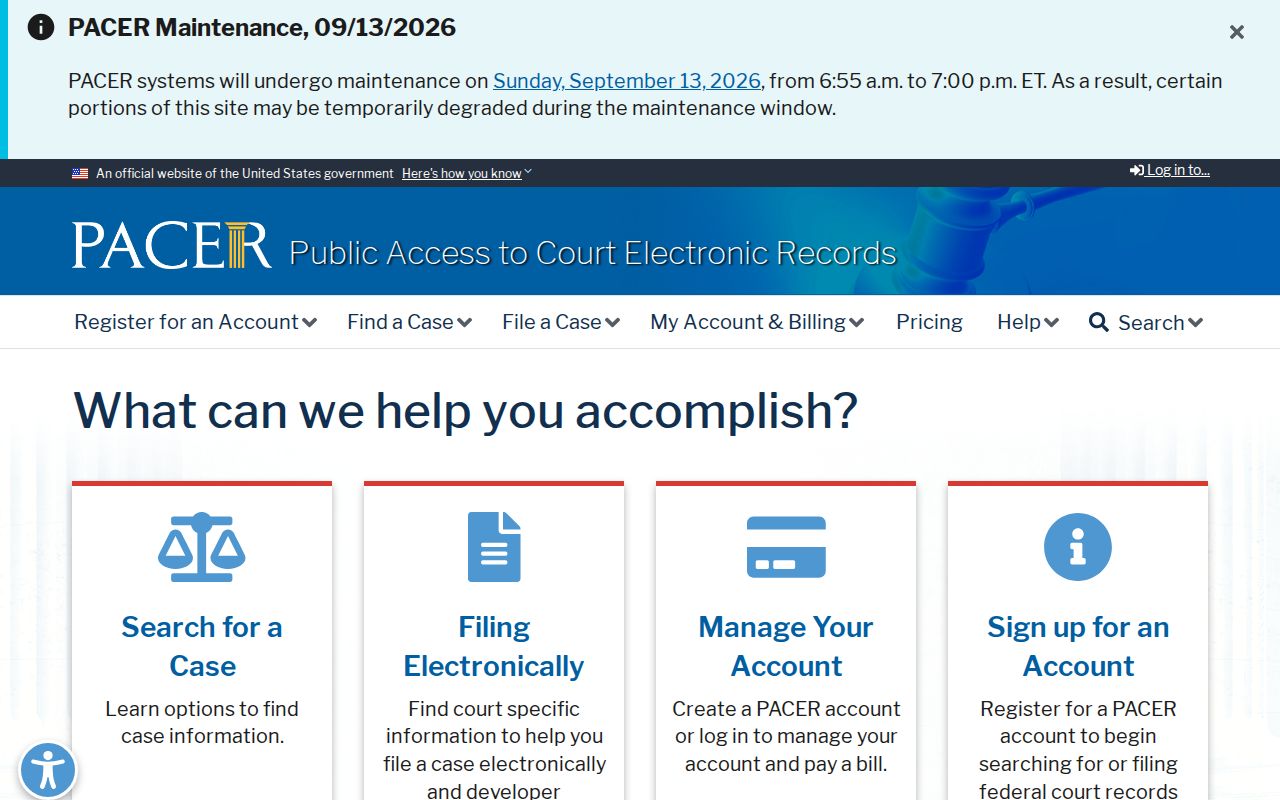
PACER is the official federal docket service, and its pricing page spells out the per-page fee and the quarterly waiver threshold. A sealed indictment or an unexecuted federal arrest warrant may not appear there. A blank search is not a clearance. State defaults belong with a Massachusetts clerk; a federal Hampshire County case belongs with the federal clerk.
Most Wanted vs an Active Warrant
People use most wanted and active warrant as if they meant the same thing. One is a public communication choice. The other is a court status.
| Feature | Most Wanted List | Active Warrant |
|---|---|---|
| Scope | A curated set chosen for publicity | Any warrant the court issued and has not withdrawn |
| Who puts it out | The agency that runs the program | The issuing court, with the clerk's docket entry |
| Where a reader sees it | An agency program page | A public docket, or a police confirmation |
| How it ends | An arrest, a surrender, or a page update | A recall, a discharge, or service of the process |
A most wanted page is not a live warrant list. A listing can linger after a warrant has been recalled, and an active warrant can sit in Hampshire County with no page mentioning it at all. The Hampshire County active warrants page takes up that status question.
Before You Trust a Most Wanted Page
Any Hampshire County program page deserves a hard look first. Does it say who runs it and when it was last updated? Those two facts are simple to verify, yet many pages leave them out.
| Agency owner | Which office runs the program, and whether it has authority over the case |
|---|---|
| Update date | When the page last changed, the only clue to how stale an entry may be |
| Removal rule | How a name comes off after an arrest, a surrender, or a recall |
| Reporting channel | The tip line or form the agency actually staffs, with a phone number or address |
Anything that fails those checks is just copying someone else's work in Hampshire County, so go to the original page instead.
Note: an agency in Hampshire County can post a roster at any moment, so check back before assuming none exists.
If You Believe You Are on a List
Go to the court that issued the warrant, not the page that named you. A Hampshire County clerk can read the docket aloud and tell you what the court requires now. That is the only answer that matters.
Important: talk to a Massachusetts attorney before acting. Counsel can confirm the warrant, explain the options, and arrange a surrender on terms rather than at a traffic stop.
A most wanted page shifts where a Hampshire County case gets attention, never who holds the reins. The issuing court recalls the warrant, and only that court can say a matter is closed.