
Arrest Warrants in Hampshire County
An arrest warrant is court process that tells officers to take a named person into custody and bring them before a judge. Hampshire County sees two paths to it. A district court can issue one after a sworn complaint. The superior court can issue one after an indictment. Either document is a step in a case, not the end of one. The person named, or counsel, still has to answer it in court.
Complaint, Oath, and Probable Cause
Massachusetts starts with sworn information. A complaint comes in under oath. If the facts support it, the court may issue a summons or a warrant under the criminal rules. The complaint and warrant statute pairs with the service statute after it, which is why a Hampshire County warrant arrives with an issuing court, a charge, and a serving agency attached.
What a Hampshire County Arrest Warrant Contains
A Hampshire County warrant shows the minimum a court must state. Behind it, the docket tracks every event that follows.
| Defendant Identification | The name, or enough description to identify the person |
|---|---|
| Offense | The charge the warrant recites |
| Command | Language directing an officer to arrest and bring the person before the court |
| Issuing Authority | The judge or justice who authorized the process |
| Case Number | The docket identifier for the underlying case |
| Serving Agency | The department responsible for service in the court's entry |
| Status | Served, outstanding, returned unexecuted, or recalled |
The full state record holds more detail. Identifiers meant for law enforcement stay out of public view. That is why a public Hampshire County docket looks thin beside the operational record.
Statewide Service and Local Confirmation
An arrest warrant runs anywhere in Massachusetts. The officer does not need the paper in hand at the moment of arrest. Local policy adds a confirmation step. Amherst's legal process order requires a positive check verified through dispatch and a station officer before an arrest in Hampshire County.
Northampton Police Department, Court Administration
29 Center Street
Northampton, MA 01060
(413) 587-1124
The office in Hampshire County receives court process. Service goes out through the officer in charge, and the record shows whether it was served or returned. It cannot recall a warrant.
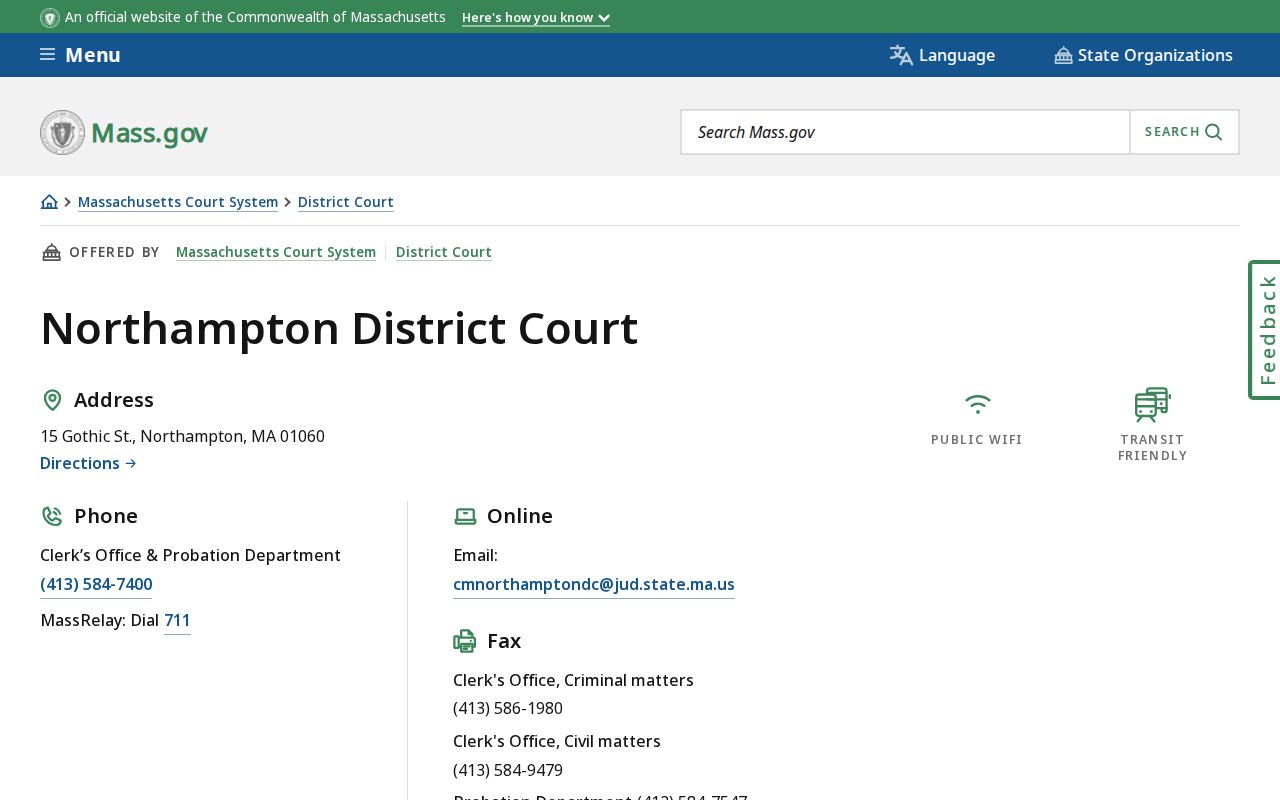
Each Hampshire County court location page lists the clerk and probation contacts a reader needs after a police contact.
Note: A police department can confirm what its officers see, but only the issuing court clerk can say whether the warrant is still open.
How Arrest Warrants Are Served
Service means an officer takes the person named into custody. Officers may act on state data without paper. If the offense is not already known to the person, the warrant has to be shown or explained within a reasonable time. Hampshire County departments write this differently and practice it the same. Belchertown confirms a positive check through dispatch before arrest. Northampton tracks service and returns through its court administration function. Neither policy is a public list.
Arrest on a Warrant vs a Warrantless Arrest
Massachusetts also allows arrests without a prior warrant in defined situations. A probable cause determination follows. That is a different event from an arrest on an outstanding warrant. A police log cannot tell you which happened. An entry can describe an arrest in Hampshire County with no word of a warrant, and a warrant can sit open with no arrest at all. Mixing the two leads people to the wrong conclusion. Check your own status with the issuing court, not the log.
Arrest Warrant vs Summons vs Bench Warrant
Hampshire County process comes in three forms, and the differences decide what happens next.
| Process | What It Means | What Usually Follows |
|---|---|---|
| Summons | An order to appear at a set time and place | Appearance, or a warrant if it is ignored |
| Arrest warrant | Authority to take the person into custody | Custody, bail, and a court appearance |
| Bench or default warrant | Process after a missed appearance or obligation | A motion, payment, new date, or bail |
Massachusetts law prefers a summons in many situations. The warrant is the escalation, and that order matters when you are deciding whether to call about a letter received in Hampshire County.
Superior Indictment Warrants at Gothic Street
Hampshire County felonies go upstairs. They run through the Hampshire Superior Court at 15 Gothic Street, where the clerk keeps Hampshire County's superior criminal dockets and probation records.
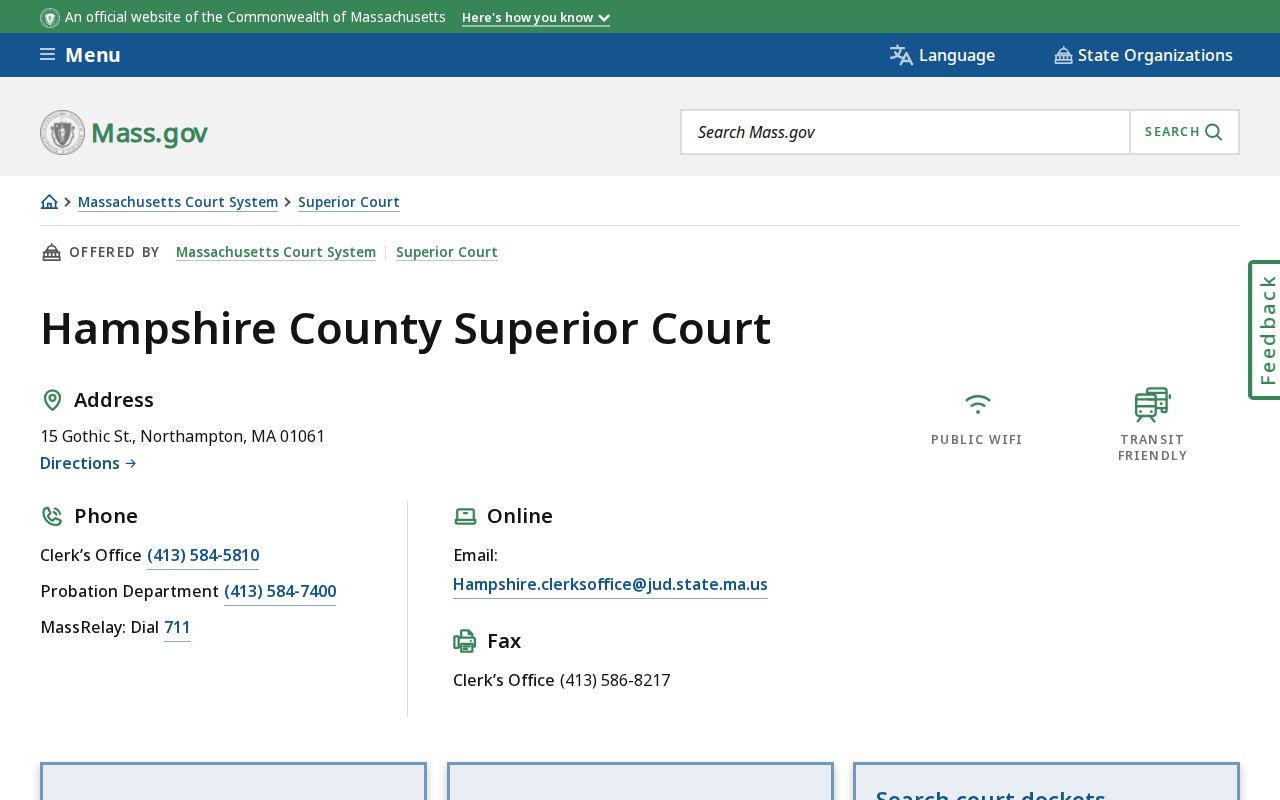
The page lists the clerk's office, weekday hours, parking, and transit routes. Use it once an appearance is confirmed. An indictment warrant is not district court business. The shared address with Northampton District Court makes that mistake easy in Hampshire County. The department, not the street, decides who answers.
What to Do If There Is a Warrant for You
Call a lawyer first if a warrant may be open in your name in Hampshire County. Counsel can confirm the docket and explain the charge. Your lawyer arranges the rest.
Important: Do not drive to a courthouse or station to sort this out unannounced. An outstanding warrant can lead to immediate custody and transport.
The realistic routes are few. A scheduled appearance, a surrender arranged with counsel, a motion to recall where the court permits it, or bail if the court sets it. Keep every document the court produces. One good event does not finish a Hampshire County case.
After an Arrest in Hampshire County
Who gets out of jail, and when, is a decision for a court or a bail magistrate. Police and the jail itself have no say in it. The state's bail process guidance walks through station bail, court presentation, and payment at the clerk's office. Before releasing anyone held on an outstanding warrant, the court also checks for other process. A Hampshire County case can grow tangled fast when a second warrant, a probation matter, or a bail forfeiture is in the mix. Until the court rules on release, assume nothing.
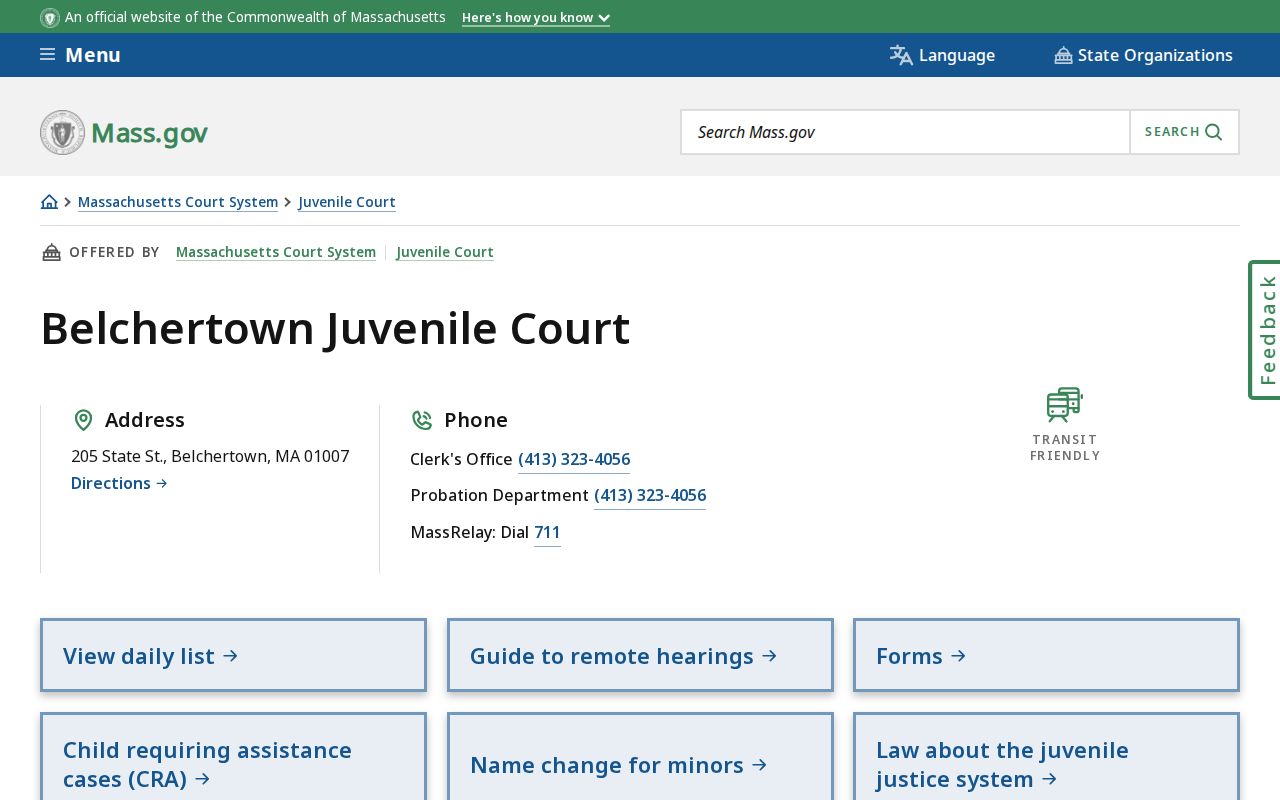
Juvenile cases in Hampshire County stay confidential and follow their own clerk. The adult route described here never applies to them.